Source Copper Ore Recovery Gravity Separator for Gold, Tin, and Manganese
Find 30 copper ore recovery gravity separator options from Gelin Brand. Compare models like shaking tables and spiral separators for gold, tin, and manganese applications. Features include CE certification, energy-saving designs, and capacities up to 300 tons/hour; compare the available evidence and request quotations based on your requirements.
Key considerations
Products List




Comprehensive Sourcing Guide
Copper Ore Recovery Gravity Separator Sourcing Guide
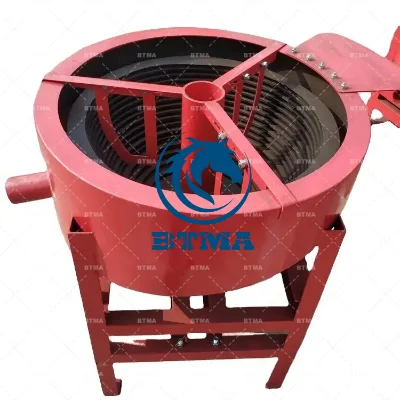
Procuring a copper ore recovery gravity separator requires careful evaluation of the specific mineral processing needs, as these machines are designed to separate valuable metals from gangue based on density differences. The observed market data indicates that units are available with capacities ranging from 0.5 to 2 tons per hour, suitable for smaller to medium-scale mining operations. Buyers must align their expected throughput with the machine's rated capacity to ensure efficient processing without bottlenecks in the production line.
The equipment is typically engineered for new condition and features energy-saving designs to reduce long-term operational costs. While some listings highlight specific models like the 5LL series, the core functionality remains consistent across the category, focusing on the concentration of metallic ores such as copper, gold, and tin. Understanding the distinction between different separator types, such as shaking tables versus spiral separators, is essential for selecting the right technology for the specific ore characteristics and recovery goals.
Product Scope and Observed Listing Signals
The product listings reveal a diverse range of specifications, including feeding sizes from 0.02mm up to 3mm, which dictates the pre-processing requirements for the ore feed. Some units are designed for fine particle separation, while others handle coarser materials up to -3mm, requiring buyers to verify the compatibility of the separator with their existing crushing and grinding circuits. The observed weight variations, ranging from under 1 ton to over 10 tons, further indicate that structural robustness and mobility options, such as wheel-mounted designs, vary significantly between models.
Buyers should note that customization is widely available, allowing for tailored solutions regarding voltage, which is often standardized at 380V, and specific material features like fire resistance. The observed price range of 500 to 400,000 USD suggests a wide spectrum of quality and capacity, necessitating a clear definition of budget versus performance requirements. Additionally, the presence of "in stock" delivery options for certain models offers a distinct advantage for projects requiring immediate deployment, whereas custom orders may involve longer lead times.
Technical Specifications to Verify
Technical verification must begin with the feeding density, which is typically observed between 30% and 50%, a critical parameter for maintaining optimal separation efficiency. The working capacity of the units can vary drastically, with some heavy-duty models capable of handling 50 to 300 tons per hour, while others are limited to lower throughput rates. Buyers need to confirm that the selected machine's capacity aligns with their daily production targets to avoid underutilization or operational overload.
The physical dimensions and material composition of the separator are equally vital, with some units constructed from stainless steel or fiberglass materials to ensure durability in harsh mining environments. The standard dimensions observed in the market range from compact 460mm units to large-scale structures exceeding 5 meters in length, directly impacting the footprint required for installation. Verifying the specific model number, such as the 5LL-1200, ensures that the buyer receives a machine with the exact structural integrity and separation surface area required for their specific copper ore grade.
Compliance and Safety Documentation
Safety and compliance are paramount, with most observed units carrying CE and ISO9001 certifications, indicating adherence to international quality and safety management standards. These certifications are not merely formalities but serve as evidence that the manufacturing process meets rigorous requirements for electrical safety and mechanical reliability. Buyers should request valid certification documents to ensure that the equipment complies with the regulatory standards of their destination country before finalizing any purchase agreement.
In addition to general certifications, specific product standards such as the 5LL designation or fiberglass material specifications must be cross-referenced with the supplier's documentation. The presence of a "Before Delivery" testing protocol is a crucial quality control measure that buyers should insist upon to verify the machine's performance prior to shipment. Ensuring that the equipment has undergone rigorous testing for its intended application, such as gold, tin, or copper concentration, mitigates the risk of receiving non-functional or substandard machinery.
Cost Drivers and Commercial Terms
The commercial terms for these separators are heavily influenced by the customization level and the specific material features required, such as fire resistance or specific voltage configurations. While the minimum order quantity is typically one unit, the final price is driven by the complexity of the customization, the weight of the unit, and the inclusion of advanced features like energy-saving mechanisms. Buyers must carefully evaluate the total cost of ownership, including potential shipping costs for heavy units exceeding 10 tons, which may require specialized transport arrangements.
Delivery timelines can vary significantly, with some suppliers offering immediate stock availability and others requiring a standard production lead time. The observed "in stock" status for certain models allows for rapid deployment, which is critical for time-sensitive mining projects, whereas custom-built units may require extended lead times. It is essential to clarify the delivery date and packing standards, such as export packing or container shipping, to ensure the equipment arrives safely and on schedule without incurring unexpected logistical delays.
Supplier Qualification and Quality Control
Supplier qualification should focus on their ability to provide comprehensive quality control measures, including the mandatory testing of equipment before delivery. The observed warranty periods, ranging from one to two years, serve as a key indicator of the supplier's confidence in their product's durability and performance. Buyers should prioritize suppliers who offer robust warranty terms and have a proven track record of supporting their equipment in the field, particularly for complex applications involving metallic and non-metallic ore excavation.
Quality assurance also extends to the manufacturing origin and the specific standards applied during production, with many units originating from established mining equipment hubs in China. The "Gelin Brand" and similar manufacturers are noted for producing high-quality units, but buyers must verify the specific quality claims against independent test results or third-party audits. Ensuring that the supplier adheres to strict production standards and provides clear documentation on the manufacturing process is essential for maintaining long-term operational reliability.
Long-Term Procurement Checks
Long-term procurement success depends on establishing a reliable supply chain for spare parts and ongoing technical support for the gravity separator. Buyers should verify the availability of replacement components, such as screen materials made from 20crmo, to ensure minimal downtime during the machine's operational life. A supplier's ability to provide timely maintenance services and technical guidance is crucial for maximizing the recovery efficiency of the copper ore processing line over several years.
Finally, buyers must monitor the evolving performance of the equipment against the initial specifications, such as the feeding size and working capacity, to ensure continued compliance with production goals. Regular audits of the machine's condition, including checks on the movement mechanisms and structural integrity, are necessary to prevent premature wear and tear. Establishing a clear communication channel with the supplier for future upgrades or modifications ensures that the gravity separator remains an effective asset in the mining operation.
FAQs
What is the feeding size for this gravity separator?
The feeding size ranges from 0.02 to 3mm for optimal separation efficiency. This specification ensures effective processing of fine metallic and non-metallic ores. The equipment handles densities between 30% and 50%, making it suitable for various mining concentration tasks. Proper feeding size is critical for maintaining high recovery rates in gold, tin, and copper applications.
Can the machine be customized for specific needs?
Yes, customization is available to meet specific operational requirements. Buyers can request tailored configurations for different ore types and processing capacities. The Gelin Brand offers flexible options to adapt the shaking table or spiral separator to unique mining environments. Customized solutions help optimize performance and ensure the equipment integrates seamlessly into existing production lines.
What certifications does the equipment hold?
The equipment holds CE and ISO9001 certifications, ensuring compliance with international quality and safety standards. These certifications verify that the manufacturing process meets rigorous quality control requirements. Buyers can trust the reliability and safety of the machinery for industrial mining applications. The certifications also facilitate smoother import processes in various global markets.
How fast is the delivery time for orders?
Delivery time is typically in stock, with some items available within two days. This rapid availability reduces downtime for mining operations requiring immediate equipment deployment. Buyers can rely on the supplier's inventory management to ensure quick dispatch. The in-stock status applies to many standard models, facilitating faster project commencement.
What is the warranty period for the separator?
The warranty period is generally one to two years, depending on the specific model. This coverage provides assurance against manufacturing defects and ensures long-term operational reliability. Buyers benefit from extended support and maintenance options during the warranty term. The warranty reflects the manufacturer's confidence in the durability and quality of the mining equipment.
What is the working capacity of the machine?
The working capacity ranges from 0.5 to 2 tons per hour for standard models. Larger units can handle up to 300 tons per hour for high-volume operations. This flexibility allows buyers to select equipment that matches their production scale. The capacity ensures efficient processing of gold, tin, copper, and manganese ores in various mining contexts.